
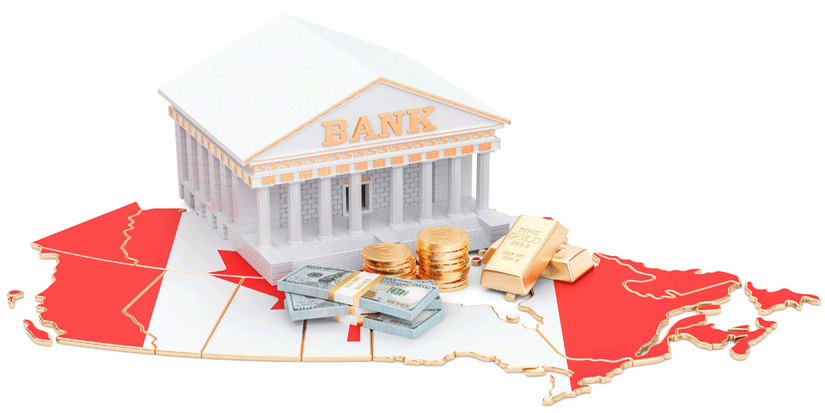
International Travel Got Me Thinking About Dividends

I found myself in Toronto last week. I had less than 72 hours until my flight back home and was determined to see as much of the city as possible.
Lucky for me the public transportation system is incredibly easy to use and inexpensive. Plus, my downtown hotel was part of the PATH network. This is a mostly underground pedestrian walkway network that spans more than 30 kilometers.
I visited some great museums, so many galleries of contemporary art and some great gluten free food. I made time for a dinner at the revolving restaurant at the top of the CN Tower. It was a blast, but my mind was never completely off the markets. The experience reminded me of some dividend payers I needed to revisit.
I focus mainly on US companies. It’s not intentional; it’s that foreign dividends can be subject to withholding tax. The country where the company is domiciled will withhold tax on dividends before they are paid to non-residents.
Foreign dividend tax withholding ranges from 0–35%. Switzerland is at the top of that range, while the UK is 0%. A treaty between countries can reduce the rate, which is the case with Canada.
The withholding rate for non-Canadian residents is 25%, but has been reduced to 15% for US residents. Canada also generally exempts stocks held in US tax-advantaged accounts from the withholding tax. Always check with your tax professional about the tax consequences of foreign holdings.
When considering Canadian dividend stocks, remember to include the 15% withholding (if it applies to you) when calculating your yield. This is why owning foreign stocks is one of the few instances where I use ETFs. The fund handles the taxes for you and the distribution from the fund is what you actually receive.
Back to those Canadian stocks…
The Financial Capital of Canada
The Toronto economy makes up 20% of Canada’s GDP. It’s home to the “big five” Canadian banks and the Toronto Stock Exchange. The indoor arena for basketball and hockey is the Scotiabank Arena. The open-air soccer stadium is BMO Field. Those underground paths I noted above were specifically designed for easy access to the financial district.
When I dug into both banks a few years ago, I wanted to know where future growth would come from. Canada is nearly “fully banked,” meaning 99.63% of Canadians over the age of 15 have a bank account.
If growth can’t come from finding new customers in your home market, then from where? New products and features only go so far. I’ve been with the same bank since I was 16. Am I overly happy with them? No. Have I bothered switching banks? Also no.
Bank of Montreal (BMO) has been expanding into the US market. With a presence in 32 states, it’s now a top 10 diversified bank by assets. It’s been successful growing customer deposits across the board, up 9% year over year in 2025. The bank’s wealth management division also saw double-digit growth year over year in reported net income last quarter.
Bank of Nova Scotia (BNS) was my favorite of the big five Canadian banks back in 2022 due to growth from under-banked markets such as Mexico, Peru, Chile, and Columbia. Over the last few years, it’s been unwinding that strategy and selling off those operations. Last year, it made a strategic investment in US KeyCorp for US exposure.
I’m still very skeptical about growth if their only answer right now is the US. We are slightly less banked than Canada, but still sit around 94%.
Are Either of These Banking Giants a Buy?
Another headache when investing in foreign companies is finding an accurate picture of dividend payments. When I pull up BMO’s dividend history it looks like it’s all over the place.

This is because most sources report the dividend in US dollars but it’s declared in Canadian dollars. BMO has consistently raised its dividend, but US shareholders wouldn’t know that because of changes in the exchange rate.
There are two ways to calculate BMO’s current yield: use the most recent payment and annualize it, or use the last four payments for the trailing twelve-month yield. Note whether you are using Canadian dollars or US dollars.
You could also take the most recent payment, annualize it, and then convert it to US dollars using the current exchange rate. Whatever you do, the result probably won’t be exactly accurate. I annualized the last US dollar payment for a yield of 3.4%.
BMO’s yield is low because shares are up 40% over the past year. Remember, when prices go up, yields go down. BMO doesn’t meet my 3.5% minimum yield requirement, and that’s before we consider the 15% withholding.
The last dividend payment for BNS was US$0.79, for an annualized yield of 4.2%. Once we take out the 15%, we’re down to 3.5%.
Even though I wouldn’t buy either of these stocks today, I was glad that my travels reminded me to check in on Canadian banks. I’m not sure my concern about future growth has been answered… but I’ll keep watching. It also confirmed why buying foreign stocks is one exception to my ETF rule.
For more income, now and in the future,

Kelly Green
Kelly Green

RECENT ARTICLES
Back to the “Big Four”
October 21, 2026
A Worthwhile Exit Strategy
October 14, 2026
A Sinking Ship or A Turnaround Bet
October 7, 2026
Mailbag: Are There Dividend ETFs Out There That Are Worth It?
September 30, 2026
Burning a Hole in My Pocket
September 23, 2026
Personal Principles as An Investment Screener
September 16, 2026

Mauldin Economics Dividend Digest
There are lots of generous dividend payments waiting to be collected—if you know where to look. And many of these companies have been paying and boosting their dividends year in and year out for decades. If you want to find the yield that you deserve, sign up for Mauldin Economics Dividend Digest—industry-leading income investing research delivered to your inbox every Wednesday.
Uncover the tips and tricks to navigate the income investing landscape… to find the yield you deserve and add income to your pocket today and in the future.
By opting in you are also consenting to receive Mauldin Economics' marketing emails. You can opt-out from these at any time. Privacy Policy
Limiting yourself to the US market ensures that your missing a lot of opportunities. Even with withholding taxes on dividends applied at source, yields can be much higher than in the US. There are very good opportunities in both Europe, Asia and China offering both good dividend yields and growth.
kelly, why not take a look at split corporations. far higher yields. brompton has a very good one for banks. but there are other managers. ciao,
per