

Thoughts from the Frontline
Follow John Mauldin as he uncovers the truth behind, and beyond, the financial headlines. This in-depth weekly dispatch helps you understand what's happening in the economy and navigate the markets with confidence.
Let John guide you through this decade of disruption
John Mauldin's Thoughts from the Frontline
Free in your inbox every Saturday
By opting in you are also consenting to receive Mauldin Economics' marketing emails. You can opt-out from these at any time. Privacy Policy
Latest Articles


September 18, 2026
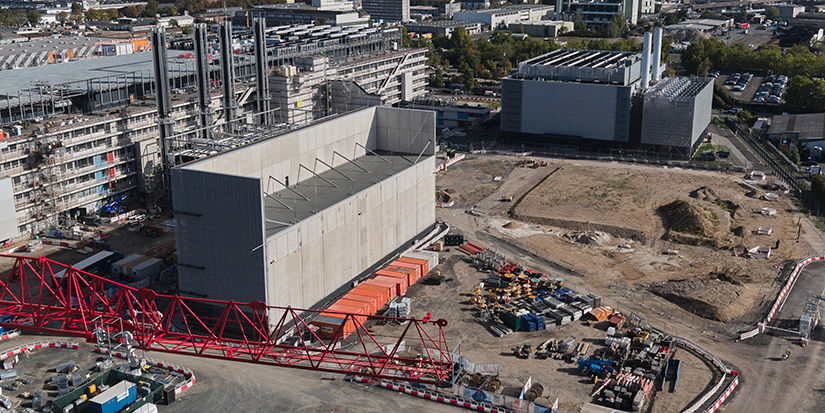
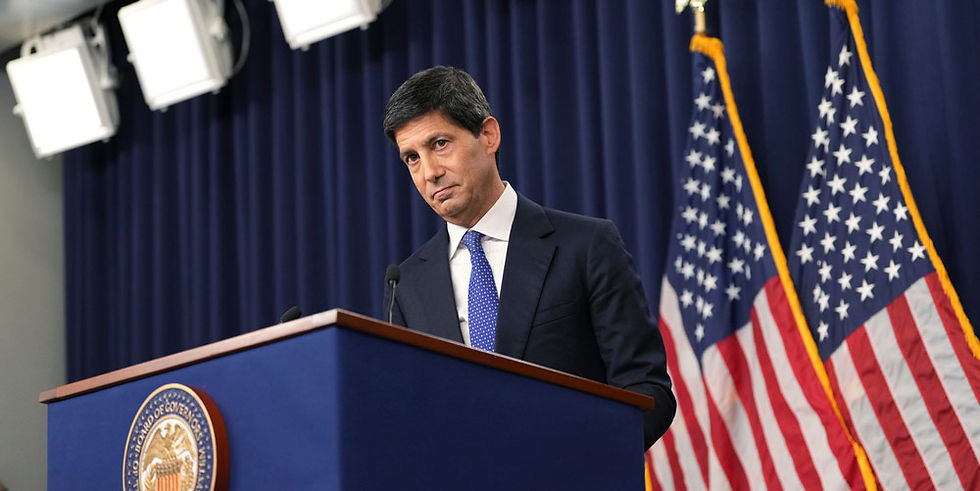
Fed Policy: As Good As It Gets
The FOMC raised rates by 25 basis points. So, what did we learn? As it turns out a great deal and it’s very important. Couple that with what is happening in Japan and long rates in general around the world, not to mention the geopolitical complications and energy, and there is a great deal to talk about.

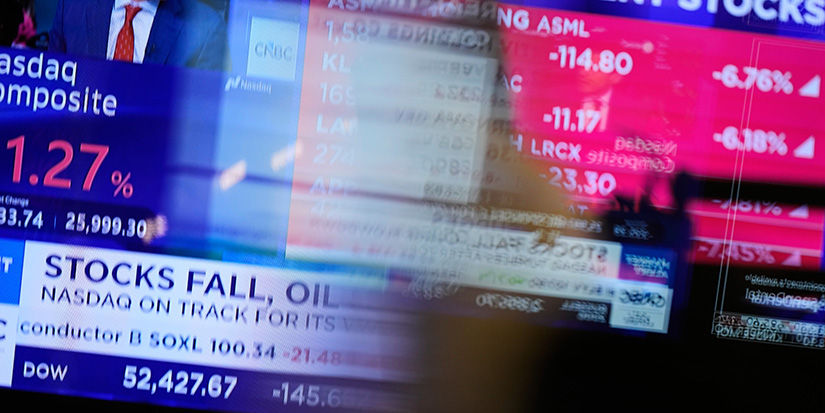
September 11, 2026
Inflation Doesn’t Cooperate
There is so much going on, it is hard to know where to begin. CPI just came out, the Republican administration put on offer some very nonconservative spending proposals, Treasury Secretary Scott Bessent makes some rather (how to say this?) problematic statements. The FOMC meets next week. The data is all over the place.
September 4, 2026
Revisiting Muddle Through
It’s Labor Day weekend, and my goal with this letter will be to not interrupt your long weekend too much. But there are some things that are happening that are important. My basic thesis for quite some time has been that we are in a Muddle Through Economy, which I’ve always meant that to me the GDP will grow slightly south of 2% over time. For 25 years, that has been the case. Is it time to revisit the Muddle Through world? Let’s look at some of the data and try to get a feel for what the next few months and even quarters looks like.

August 28, 2026
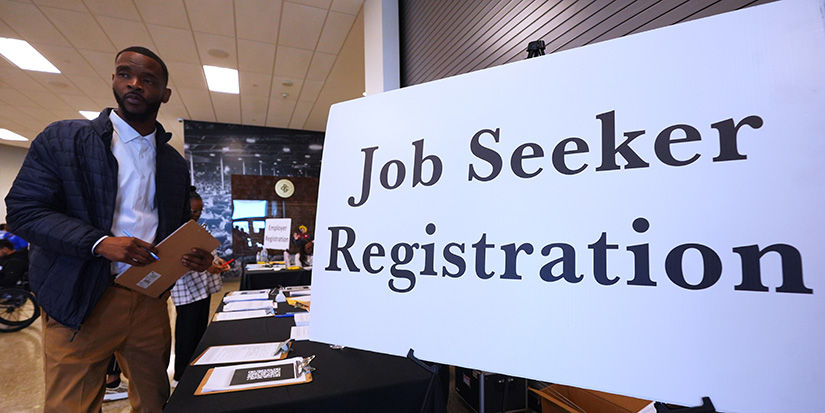
In Your Backyard: Jobs, Growth, and the Race We're Actually In
Last week we looked at the water and the wires. This week we take on the objection that scares people most: that AI, and the data centers that run it, are coming for their jobs. This one is different from the water and power arguments, because it isn't really a factual dispute so much as a forecast, and forecasts about technology and employment have a long, undistinguished history of being wrong in both directions. So, let's separate what people currently believe from what the data currently shows, and then talk about why the jobs argument, even where it has merit, points toward building more data centers rather than fewer.
August 21, 2026
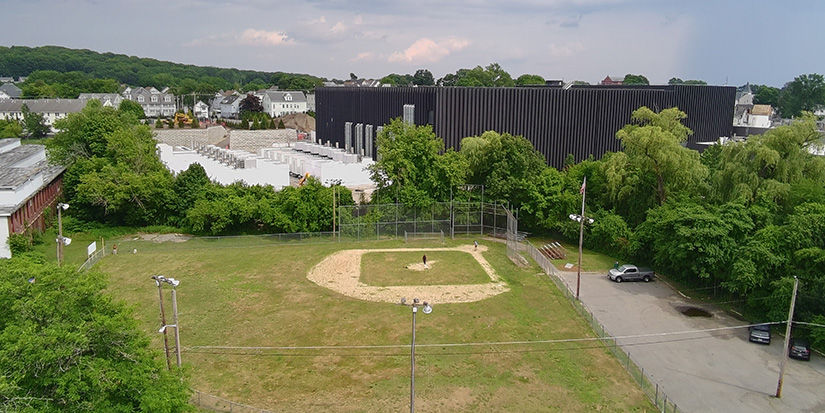
AI In Your Backyard: The Water and the Wires
Artificial intelligence is the topic of the day. It seems everyone has an opinion but not much actual factual knowledge. I’ve been dragging emails and research into my AI folder for a very long time. Today (and next week) I review those emails, as we are going to look at the reasons there is so much opposition to AI data centers. Some of it is because of the hype that the AI hyperscalers offer in their fantastic views of the future. They breathlessly tell us how much AI is going to be doing for us and to us. They see a future where AI and robots do everything. (I’m looking at you, Sam Altman, Peter Diamandis and Elon Musk.) “We are moving to a post-work future.” They see the world evolving into some Star Trek-like world of abundance, where whatever work we do is because we want to do it.

August 14, 2026
Caught in a Debt Trap
Elvis Presley’s rendition of Suspicious Minds topped the record charts in 1969. The lyrics portray a romance that couldn’t work, but was also impossible to escape. That’s also a good way to describe our relationship with government debt. We know it can’t last, but we can’t walk out. We love government spending and its benefits (like Medicare, Social Security, and unemployment insurance) too much.

August 7, 2026
What’s in Your Portfolio Wallet?
I’ve been thinking a lot about my own portfolio construction for the past five years. It was admittedly complex. It was a combination of various alternative funds and private placements, with a few stocks thrown in. Not something that I think anybody should try to duplicate.
- Page 1
Free Financial Newsletter
Thoughts from the Frontline explores developments overlooked by mainstream news and analyzes challenges and opportunities on the horizon.
The newsletter began as John’s way of sharing his thoughts with a few associates. Two decades later, it is one of the most widely read investment newsletters in the world. From his warning of an impending recession in 2000, to a polemic on the Obamacare “death spiral” in 2016, John has blazed his own trail as one of the most respected macroeconomic minds in the field.
"Central bankers, businessmen, and investors continually try to beat History to a pulp, but History always wins the final rounds."
John Mauldin, Thoughts from the Frontline, 2001.



John Mauldin
Editor, Thoughts from the Frontline
When investors, financial professionals, and discerning citizens need a big-picture view of what's going on in the economy, they turn to John Mauldin.
And for good reason. John has dedicated more than 30 years to keeping people informed about financial risk.